Printing technologies
Optimise material processing and operations.
Staubli HE Food Grade Robots Australia | Hygienic Food Industry Robots | Comtec
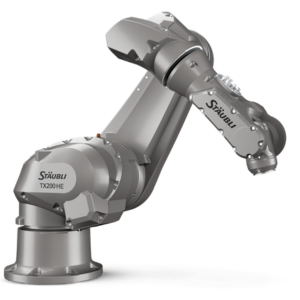
Staubli HE Food Grade Robots

Staubli HE Robots for Hygienic Food Production

Comtec supplies Staubli HE food grade robots in Australia for manufacturers who need hygienic design, food-grade lubrication, pressurization, washdown compatibility and high-performance automation across food handling, packaging and palletizing processes.

Watch It In Action

TX2-200 HE washdown proof

See a Staubli TX2-200 HE robot under washdown conditions. For food manufacturers, this gives a clearer view of how the HE range suits hygienic, cleaning-intensive production environments.

At A Glance

Food-grade robots for lines where hygiene and washdown are part of daily production

Manufacturers searching for Staubli HE robots are usually not just comparing speed or payload. They are trying to find a robot that can support food safety, reliability and economic performance while operating in humid, washdown-prone and hygiene-critical production conditions.

HE
Dedicated hygienic environment robot line for the food industry
NSF H1
Food grade oil for contamination-sensitive food production
EHEDG
Hygienic design direction aligned with food-industry cleanability expectations
Australia
Local support from Comtec for review, integration and commissioning
Environment Focus

Staubli HE robots built for food, humidity and washdown conditions

Food plants do not need a robot that is merely fast. They need a robot that can work through humidity, cleaning cycles and hygiene pressure without giving away precision, uptime or handling quality. That is where the Staubli HE range stands apart.

Staubli food grade robot for washdown and humid environments

Designed for Food and Beverage Production

Staubli positions the HE line for food production where hygienic handling, reliable automation and daily clean-down discipline all have to coexist on the same line.

1

Built around real food workflows
Handling, pick and place, packaging and palletizing all sit within the intended application scope.

2

Ready for humid and washdown-prone zones
Important where daily intensive cleaning is part of protecting product quality.

3

Performance is not traded away
Dynamics and precision still matter because food lines need throughput as well as hygiene.

Dedicated HE Line for Hygienic Environments

Staubli presents HE as a dedicated robot line for the food industry, with focus on cleanability, decontamination access, food-grade lubrication and protection against microorganism ingress through design and pressurization.

1

Accessible for cleaning
Cleanability and decontamination access are part of the core HE value proposition.

2

Food-grade lubrication
NSF H1 compliant oil supports contamination-risk reduction in food production settings.

3

Pressurization strategy
Pressurizing the robot arm helps protect against microorganism ingress.

Five Prerequisites

What food-industry robots need to get right

Food automation is unforgiving. If the robot design misses on hygiene, lubrication, ingress protection or washdown resilience, the system becomes harder to trust. Staubli frames the HE line around the practical requirements food manufacturers care about most.

Hygienic Design

In direct or near-contact food environments, bacterial contamination has to be minimised, which makes hygienic surface design and cleanability central rather than optional.

Food-Grade Oil

Food-grade lubrication matters because even an accidental leak has to be considered through a contamination-risk lens.

Pressurization

Pressurization of the robot arm is part of the protective strategy against microorganism ingress.

Wash-Down Compatibility

Daily intensive cleaning is part of normal life in many food plants, so the robot has to live comfortably in that reality.

Robot Portfolio Breadth

Food production is a chain of handling, transfer, packaging and end-of-line tasks, so range breadth matters as much as single-robot capability.

Dynamics and Precision

Hygienic design only becomes commercially useful when it comes with the dynamics, flexibility and precision needed to keep output moving.

EHEDG Alignment

Hygienic design buyers already recognise

Staubli connects the HE range to hygienic design aligned with EHEDG recommendations. For food manufacturers, that matters because the buying conversation is rarely just about payload or speed. It is about whether the robot belongs in a serious hygiene-driven production environment.

Built for frequent cleaning routines. In many food plants, washdown is not occasional. It is part of the daily operating cycle, so robot suitability has to be judged in that real context.

Important where product safety and uptime both matter. Hygienic design, food-grade lubrication and protection against ingress all help reduce compromise in high-care production areas.

Relevant to Australian food manufacturers comparing options. Buyers are usually weighing not just robot performance, but also cleaning regime fit, integration scope, local support and long-term maintainability.

Sub-Industries

Where Staubli HE robots fit best in food production

The strongest applications are the ones where hygiene pressure, washdown exposure and repetitive handling all show up together. That is where the HE story becomes practical, not theoretical.

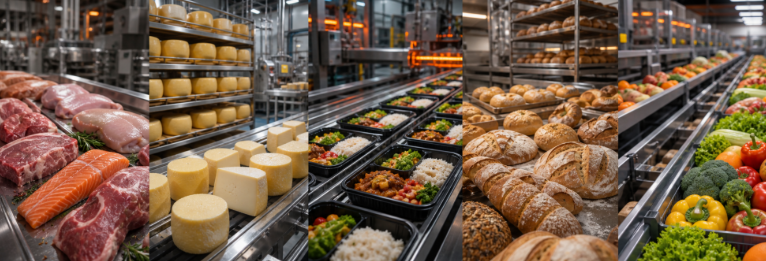
Food manufacturing applications including protein processing, dairy, convenience food, bakery, and fruit and vegetable handling

Protein Processing

For meat and protein environments, the value is stable output in especially sensitive production conditions where hygiene and reliability both matter.

Dairy Products

Hard cheese, soft cheese and fresh cheese are exactly the kind of sensitive products where encapsulated HE robots become easier to justify.

Convenience Food

Handling boxes, loading trays and customising product presentation are practical application angles with direct production value.

Bread and Baked Goods

Bakery applications can include handling, pick and place and other repetitive operations where reducing manual strain and maintaining hygiene both matter.

Fruit and Vegetable Handling

Delicate produce calls for hygienic and gentle handling rather than raw speed alone, which makes this a strong HE application fit.

Secondary Packaging and Palletizing

Packaging and palletizing extend the HE value beyond direct food handling and into broader food-line automation decisions.

Comtec Support
Comtec logo

Local application review and integration support in Australia

When a food automation project depends on hygienic design, washdown suitability and reliable production performance, the robot is only part of the decision. Comtec helps Australian manufacturers assess the application, the production environment and the practical integration requirements around the robot.

Application Review

Before recommending a robot platform, Comtec reviews the operating reality of the application so the solution fits the process, not just the brochure.

1

Production environment
Cleaning regime, washdown frequency, humidity, contamination sensitivity and overall hygienic design expectations.

2

Motion and handling task
Product type, payload, reach, cycle targets, pick-and-place pattern and end-of-arm tooling implications.

3

Project fit
Whether an HE robot configuration is the right match for the process, the production risks and the commercial objective.

Integration and Commissioning

Integration support is where many food automation projects are won or lost. Comtec helps align the robot with the surrounding line so the outcome works in practice.

1

Line interfaces
Guarding, conveyors, grippers, machine interfaces, safety logic and product flow through the wider cell.

2

Commissioning readiness
Supporting a smoother path from scope and layout review through installation and practical start-up expectations.

3

Australian project support
Local input for manufacturers who want a clearer path from enquiry to implemented food automation.

Need a food-grade robot for a hygienic or washdown-prone process?

Comtec can help determine whether a Staubli HE robot configuration is the right fit for your food application, cleaning regime and production goals.

FAQs

Frequently asked questions about Staubli HE food-grade robots

Direct answers for buyers comparing hygienic and washdown-suited food industry robots in Australia.

What are Staubli HE robots?

Staubli HE robots are food-industry robot configurations designed for hygienic environments where cleanability, food-grade oil, pressurization and washdown compatibility matter.

Why are Stäubli HE robots relevant in food production?

Because food manufacturers need robots that align with hygienic design requirements while still delivering flexibility, precision, safety and throughput across multiple process steps.

Can Staubli robots be used in food production?

Yes. The official Stäubli food-industry positioning covers handling, pick and place, packaging and palletizing across a range of food sub-industries.

Why not use a standard industrial robot?

In food environments, a standard robot may become a compromise if it does not support hygienic design, food-grade lubrication, pressurization or washdown compatibility.

Can Comtec support Staubli HE robots in Australia?

Yes. Comtec supports Staubli robot projects in Australia with local application review, integration support, commissioning and technical guidance.

What food sectors are these robots relevant to?

They are especially relevant to protein processing, dairy, convenience food, bread and baked goods, fruit and vegetable handling, packaging and palletizing workflows.

Contact Comtec

Talk to us about the right food-grade robot for your process

If your application involves hygienic food production, washdown conditions, dairy, protein handling, bakery automation or broader packaging requirements, Comtec can help review the process and guide the next step.

Call 1300 768 826
Email info@comtec.com.au
Useful project details Food product type, cleaning regime, washdown requirements, handling task, cycle targets, line layout and integration scope.

" * " indicates required fields