Machine vision that talks straight to the robot.
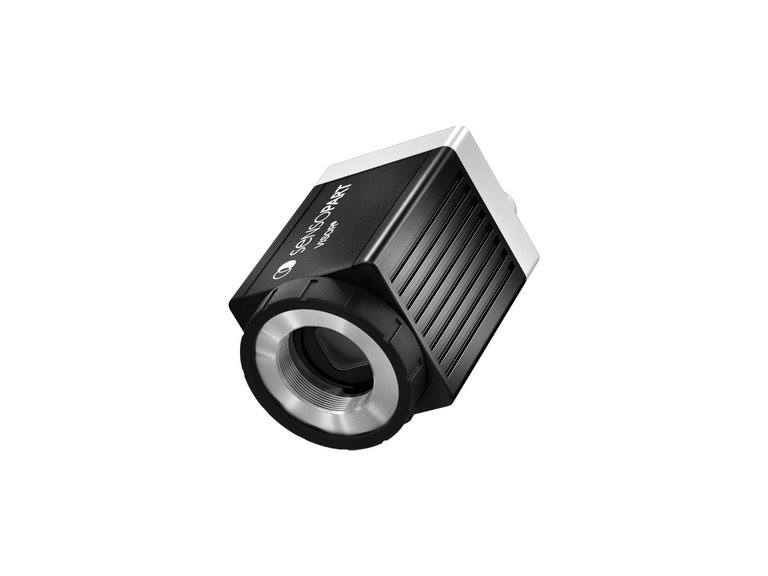
Comtec is the official Australian partner for SensoPart VISOR® vision sensors — machine vision for inspection, code reading and part localisation that outputs straight to the robot controller. All the capability of a vision system, set up in an afternoon rather than a fortnight.
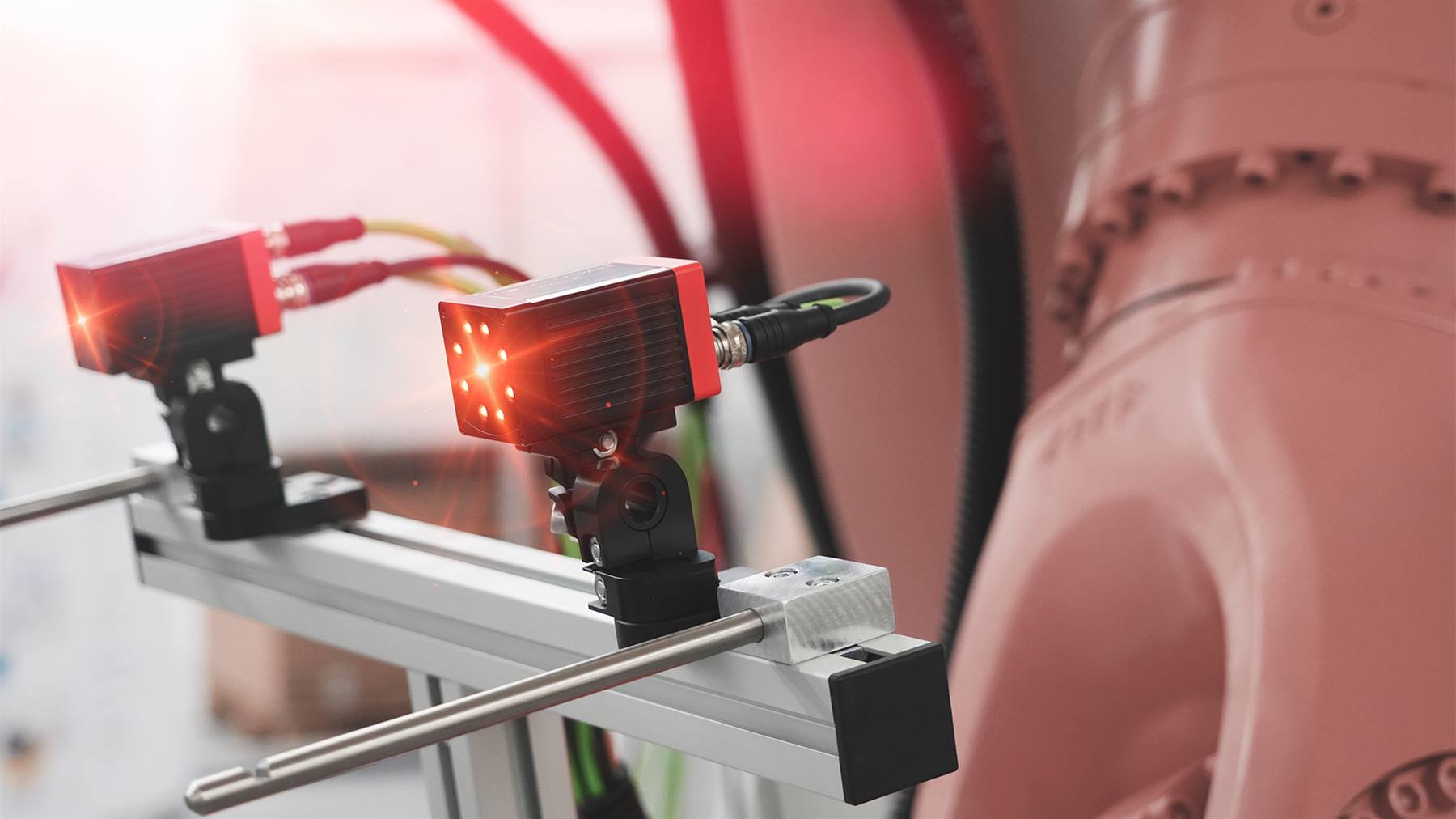
A robot without vision can only repeat. With vision, it can respond.
Fixed automation assumes the part is always in the same place, the right way up, and the right part. Real production rarely obliges. Vision removes that assumption — the cell finds the part wherever it lands, checks it is the correct one, and hands the robot a position instead of a guess.
The practical result is fewer fixtures, faster changeovers between products, and quality checks that happen inline instead of at the end of the line.
- Locate parts presented at random position and rotation
- Verify presence, completeness and assembly before the next operation
- Read barcodes, data matrix and direct-part marks for traceability
- Correct robot position on the fly instead of re-fixturing
- Reject defects at the station that made them, not three stations later
Comtec is the official Australian partner for SensoPart vision sensors.
SensoPart is a German manufacturer of industrial vision sensors and optical sensors, best known for the VISOR® range. Comtec supplies, specifies, integrates and supports the VISOR® camera range across Australia — from Melbourne, Sydney and Adelaide — with direct factory backing rather than a grey import and a phone number in Europe.
Their design philosophy suits how Australian plants actually run: the sensor does its own processing on board, is configured through a guided interface rather than a programming language, and is commissioned by the same engineer who maintains the cell.
That matters here. A vision system that only its original integrator can adjust becomes a liability the first time the product changes. A VISOR® can be re-taught by your own people.
Four VISOR® families, one platform.
Same housing, same software, same interfaces — you choose the family by the job it has to do, not by relearning a new system.
VISOR® Object
Presence, completeness, assembly verification, position control, measurement, print quality, counting and fill level — built on twelve configurable detectors with position tracking, so parts don't have to be perfectly presented.
Available in Standard and Advanced versions, plus an AI variant that classifies objects which are difficult to describe with fixed rules — natural variation, mixed products, subtle defects.
VISOR® Code Reader
Reads 1D barcodes, 2D data matrix (ECC 200) and directly marked codes on metal, plastic, paper and glass — including several codes at once, and codes that are skewed, distorted, or on curved, reflective or transparent surfaces.
Grades code quality to ISO/IEC 15415 and AIM DPM 2006, giving early warning that a marking process is drifting before reads start failing. The Professional version adds OCR.
VISOR® Robotic
The specialist for vision-guided robotics. Outputs part position and orientation directly in robot coordinates, so the robot program receives a usable pose rather than pixel data that someone still has to convert.
The Advanced version covers common guided-picking applications; Professional adds identification, extended calibration methods and 3D localisation.
VISOR® Allround
Every detector from Object, Robotic and Code Reader combined in a single device. The right choice when one station has to guide a robot, verify the build and read the traceability code without three separate sensors.
Also the safe choice when the application scope isn't settled yet — you keep the option open instead of buying twice.
VISOR® XE — when the cycle time won't wait.
The XE series is the high-performance version of the platform, fully compatible with the existing VISOR® range and its interface protocols. It adds hardware acceleration for deep-learning algorithms — up to eight times faster AI classification — and a second LAN interface, so multi-camera stations don't need an additional Ethernet switch in the panel.
Because it shares the VISOR® software and protocols, an XE can be dropped into an existing installation without re-engineering the line's communications.
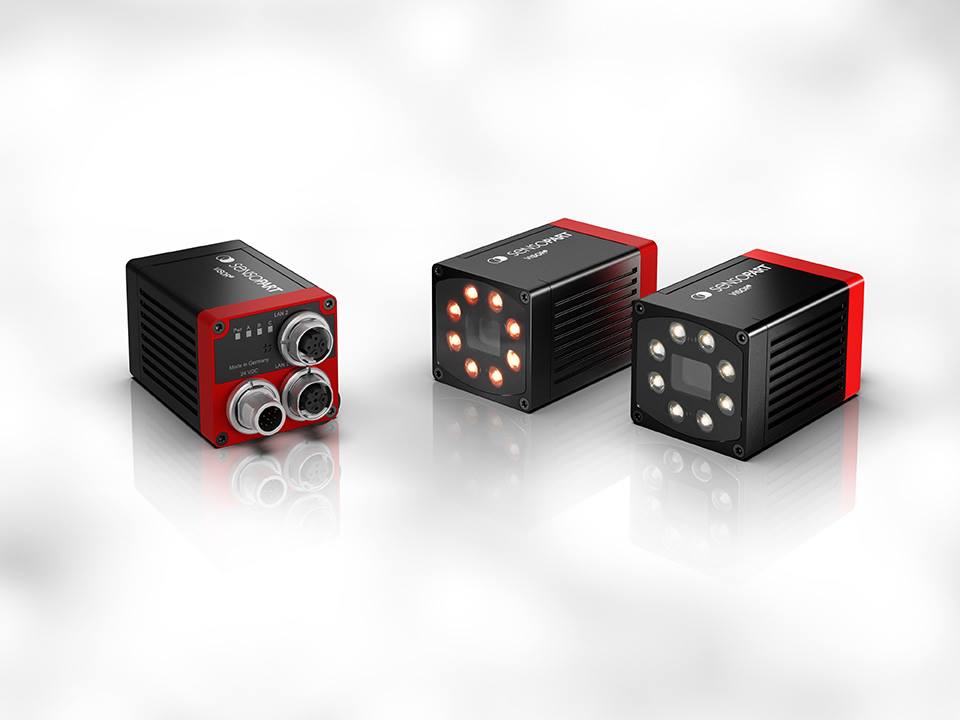
Resolution, optics and lighting are chosen per application.
Every VISOR® family is available across three resolution tiers, in monochrome or colour, with the field of view and illumination selected to suit the part and the workspace.
| Tier | Resolution | Typical use |
|---|---|---|
| V10 | 800 × 600 px | Presence and completeness checks, code reading at close range, guided picking of clearly distinguishable parts. |
| V20 | 1440 × 1080 px | The general-purpose choice — larger fields of view, finer detail, measurement work and most robot-guidance applications. |
| V50 | 2560 × 1936 px | Large fields of view held at high detail, small features on big parts, dense or small-module code reading. |
Field of view
Narrow, medium and wide integrated optics, or C-mount for application-specific lenses. Motorised focus is available on most variants — useful where the working distance changes or the sensor is hard to reach once the cell is guarded.
Integrated lighting
White, red, blue, infrared, ultraviolet and RGB illumination options. The lighting choice usually decides whether an application works — infrared for ambient-light immunity, UV for luminescent marks, colour-specific for contrast.
Talking to the line
Ethernet as standard with PROFINET and EtherNet/IP support, plus digital I/O for simple pass/fail handshakes. Set up through SensoFind and SensoConfig — no vision programming language to learn.
Vision-guided robotics, without the calibration project.
The hard part was never seeing the object — it's telling the robot where it is. Most vision-guided robotics projects lose their time in calibration, relating what the camera sees to where the robot's gripper actually has to go. VISOR® Robotic is built around solving that step rather than leaving it to the integrator.
Calibration methods are matched to the application, and SensoPart's Target Mark technique returns 3D object poses quickly, with grip-point transformation handled in the sensor. What the robot receives is a pose in its own coordinate system.
Integration is through dedicated apps and libraries for the major robot brands — a URCap for Universal Robots, a KUKA app, and downloadable libraries for the rest.
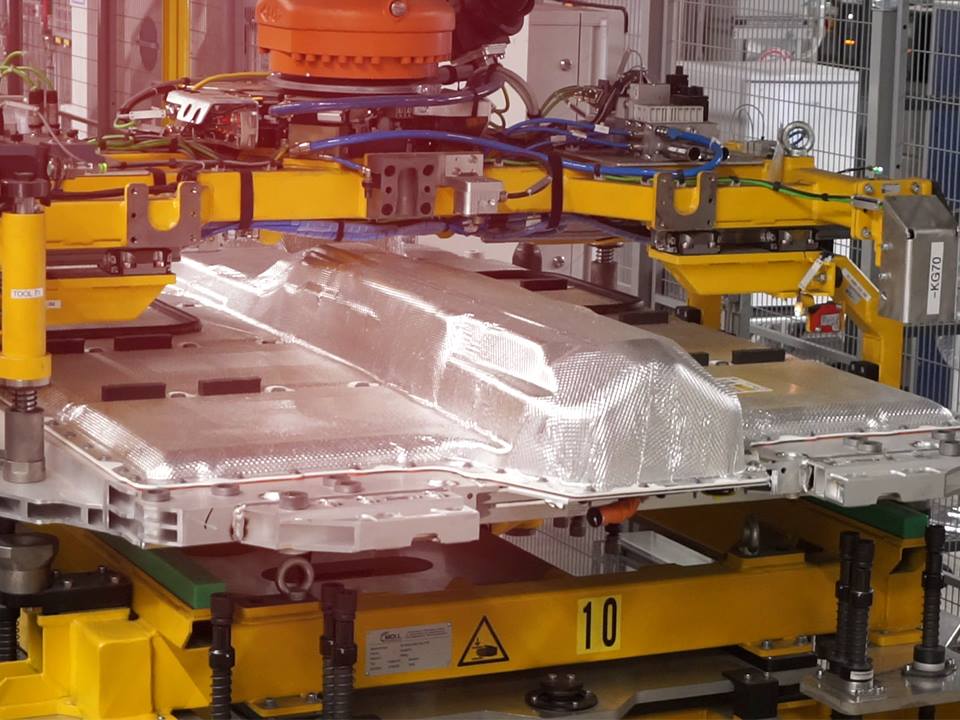
Robotic bin picking, without the bin being tidy.
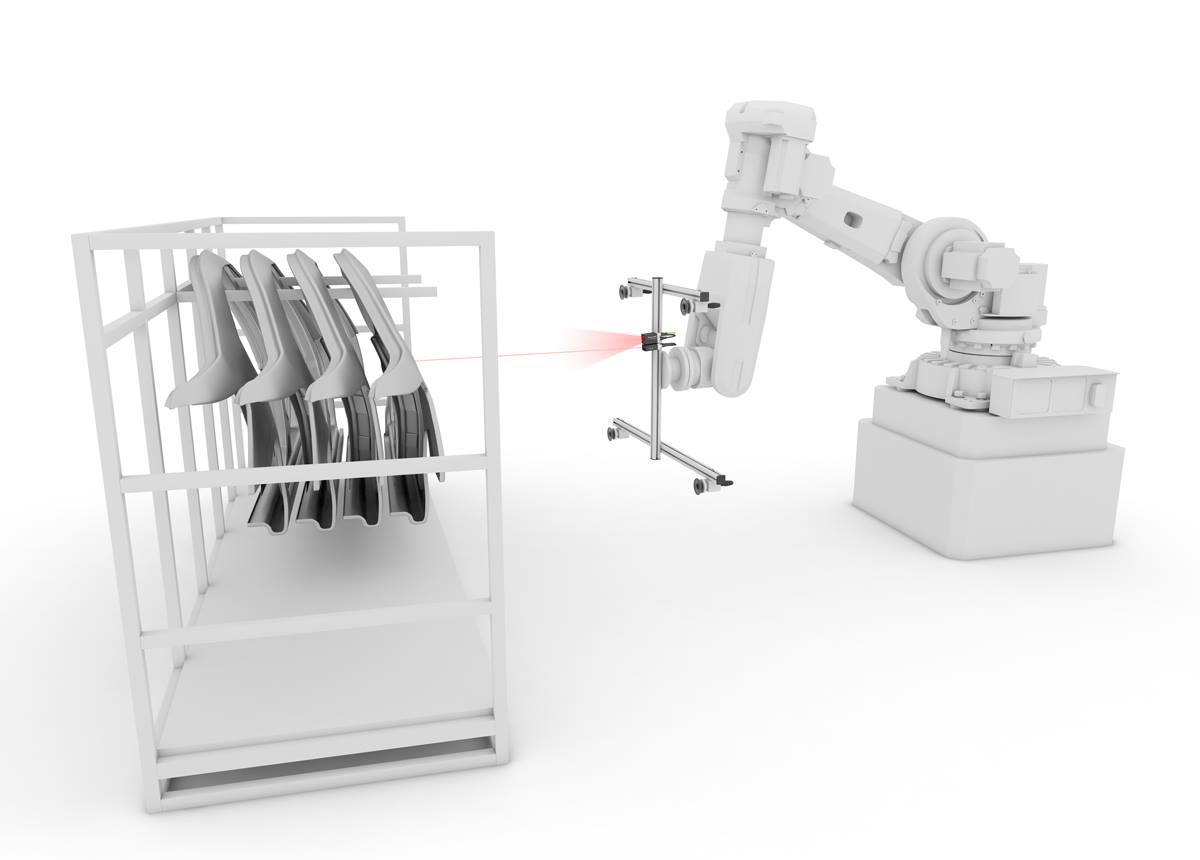
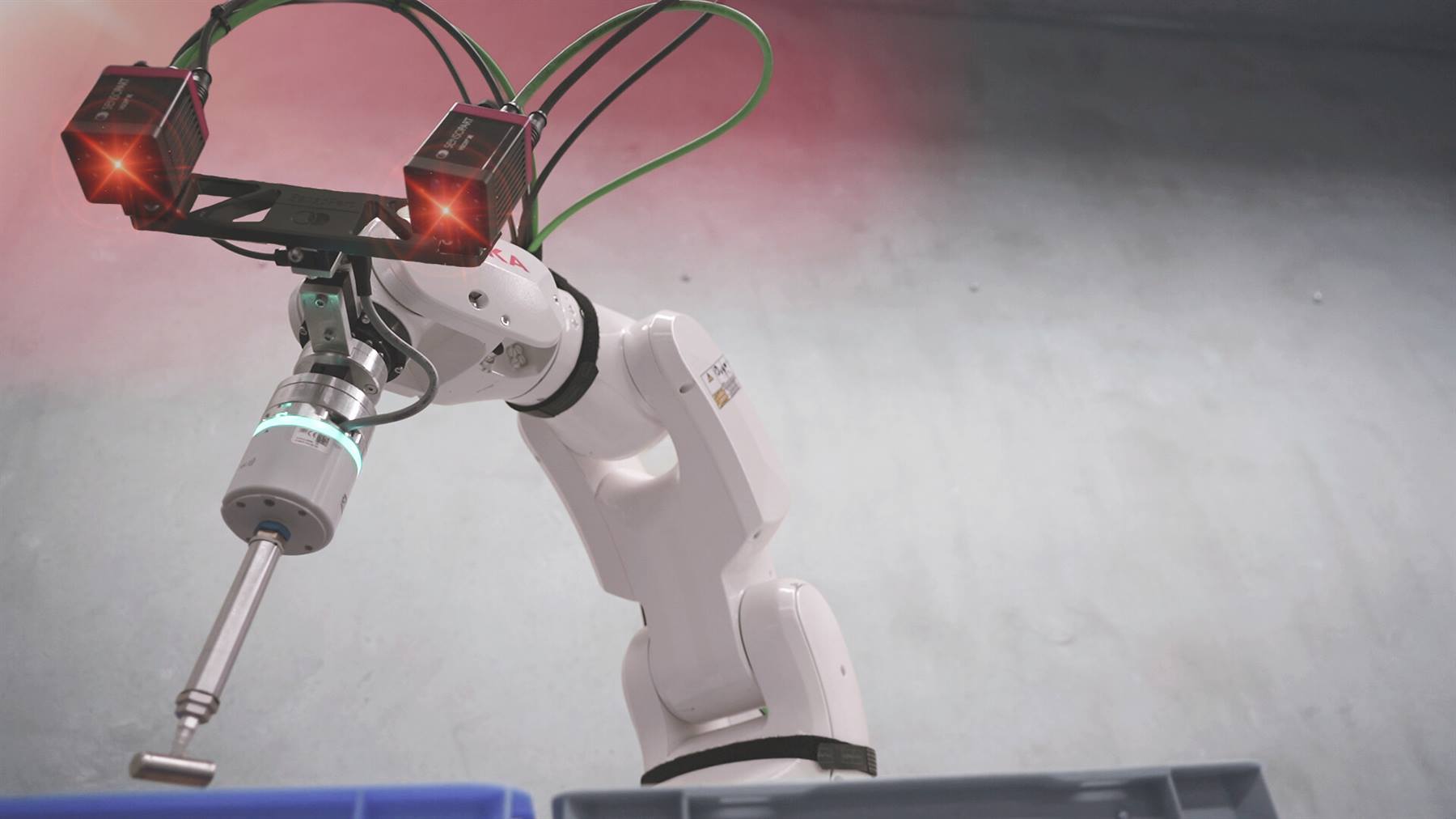
SensoPart's 3D Handling System pairs two VISOR® cameras — with integrated illumination and automatic focus — with AI-based evaluation software running on a local Linux computing unit with a dedicated GPU. It calculates the 3D position and orientation of the component and passes it straight to the robot controller.
It is built for the conditions that defeat conventional 3D vision: unsorted bulk, irregular shapes, reflective surfaces, transparent components, and lighting that changes through the day. Processing stays on site — no cloud dependency in the production loop.
The practical application is emptying bins, de-stacking, and feeding downstream automation from bulk supply instead of from trays somebody had to load by hand.
Where machine vision earns its place in an Australian plant.
The vision inspection and robot-guidance applications below are the ones we see most often here — across plastics processing, assembly, food and beverage, medical and general manufacturing.
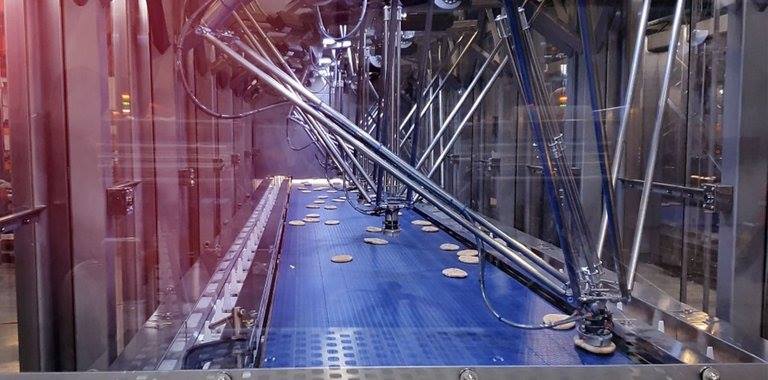
Guided pick & place
Parts arriving at random position on a conveyor or in a tray, located and picked without fixturing.
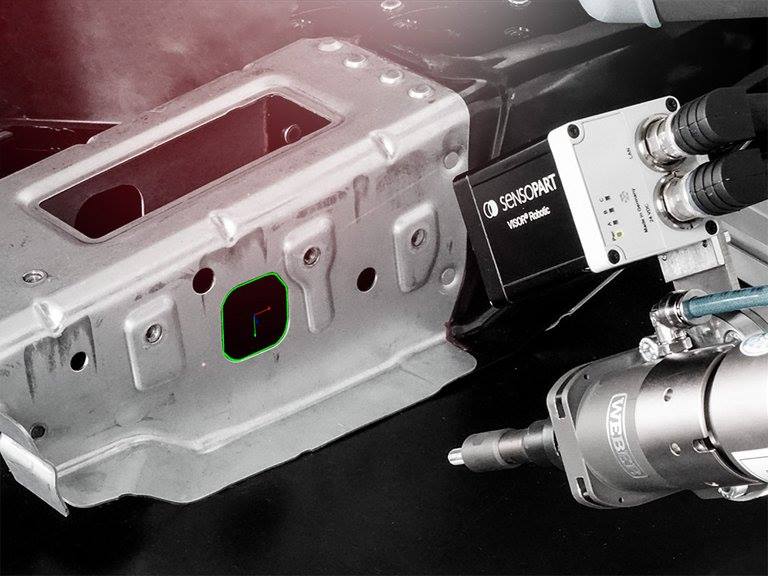
Screwdriving & insertion
The sensor measures the true pose of the feature so the robot corrects its offset before it drives or inserts.
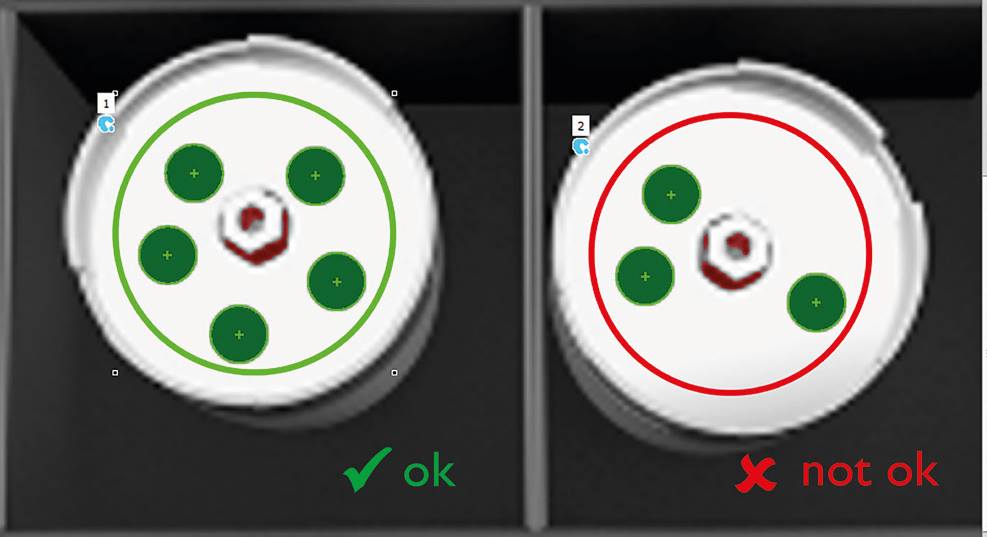
Assembly verification
Confirming the right components are present, correctly oriented and complete before the assembly moves on.
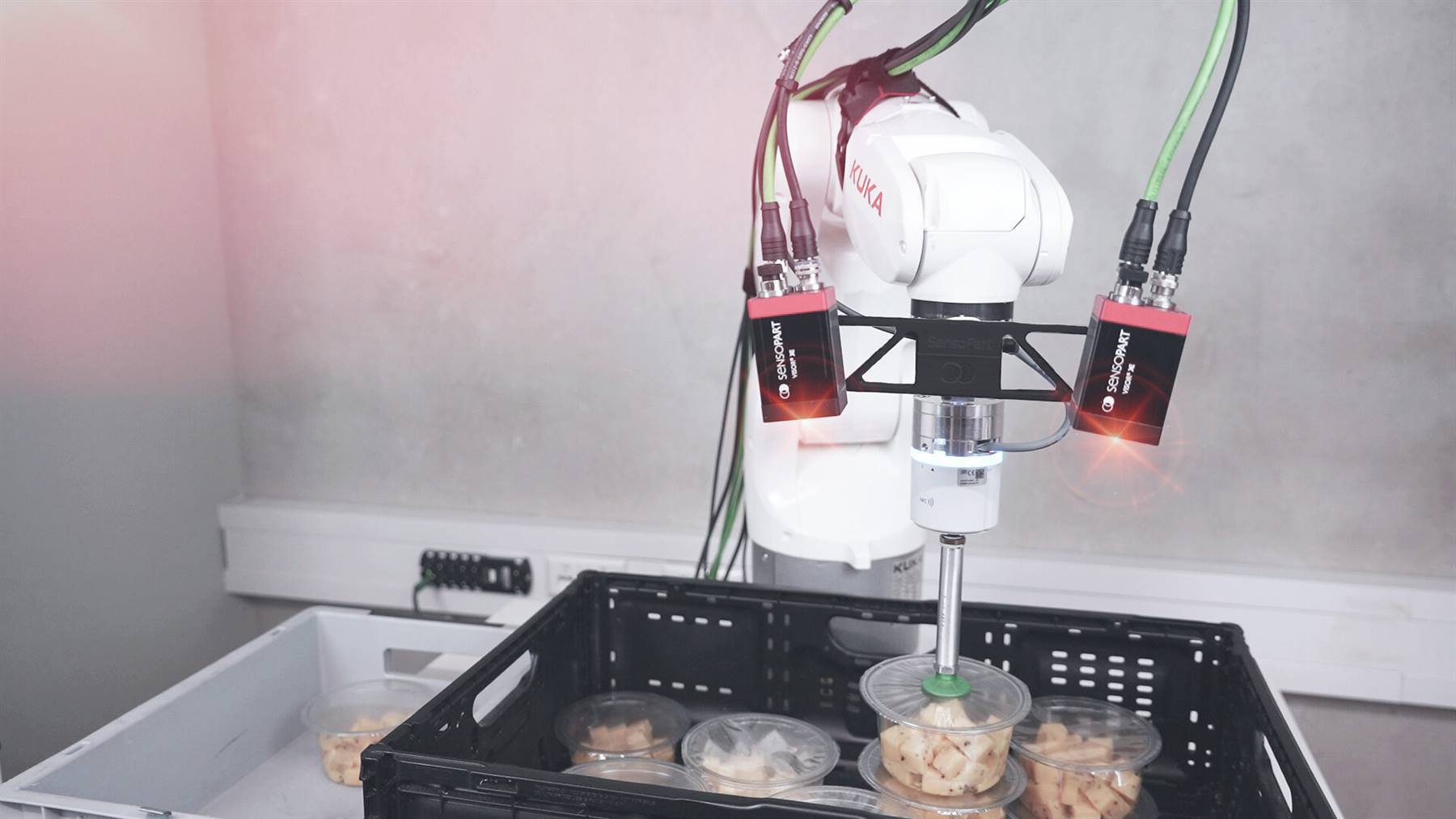
De-stacking & bin picking
3D localisation of parts in bulk supply — boxes, castings, mouldings — fed straight to the robot controller.
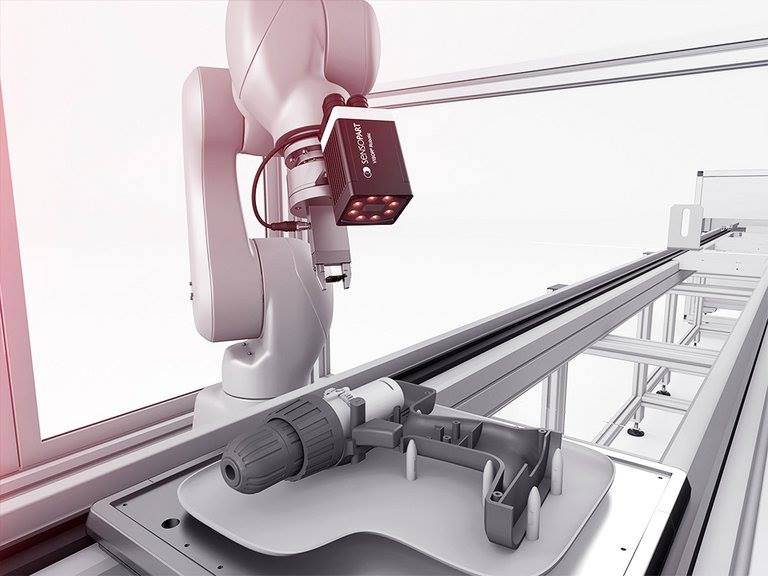
Machine tending
Loading and unloading machines from imprecise presentation, with part-type checking on the way in.
Traceability & code reading
Barcode, data matrix and direct-part-mark reading with code quality grading, tied into your MES or ERP.
Vision is one part of the cell. We supply the rest of it too.
A vision sensor on its own is a component. The value shows up when it is engineered into a working cell alongside the robot, the feeder and the tooling — which is the same conversation, with the same engineers, at Comtec.
Stäubli robots
High-precision 4-axis and 6-axis robots, including cleanroom-rated models — the arm the vision system guides.
FlexiBowl flexible feeding
Vision-driven flexible feeding — parts are separated onto the surface and located by camera, so one feeder handles many part types.
Tool changers & EOAT
Robotic quick-change and end-of-arm tooling so one cell runs multiple products without mechanical rework.
Application assessment
We test your actual parts before you commit. Feasibility on samples decides the sensor, optics and lighting — not a catalogue guess.
Commissioning & interfacing
Sensor-to-robot calibration, PLC and robot interfacing, cell integration, FAT and SAT, documentation and handover.
Local training & service
Training so your team can re-teach the sensor themselves when the product changes, backed by support from Melbourne, Sydney and Adelaide.
Vision applications are proven on samples, not on paper.
Define the check
What has to be true for the part to pass, in terms a sensor can measure. Most failed vision projects fail here.
Test real parts
Good parts and bad parts, including the marginal ones. We trial optics and lighting against your actual samples.
Specify & integrate
Sensor, optics, illumination, mounting and interface selected together, then engineered into the cell.
Commission & train
Calibrated on site, validated against the acceptance criteria, and handed over to a team who can maintain it.
Machine vision questions we get asked most.
What's the difference between a vision sensor and a machine vision system?
A traditional machine vision system is a camera, a separate controller or PC, lighting and software you assemble and program. A vision sensor like the VISOR® puts the camera, lighting, processor and application software in one housing, configured through a guided interface. For the large majority of industrial inspection and robot-guidance jobs, the sensor does the work at a fraction of the cost and commissioning time — and your own maintenance team can adjust it.
Can a vision sensor be retrofitted to a robot we already have?
Usually yes. VISOR® Robotic outputs part position in robot coordinates and integrates through dedicated apps and libraries for Stäubli, ABB, KUKA, FANUC, Yaskawa, Universal Robots, Mitsubishi Electric, DENSO and Doosan. The practical questions are mounting position, lighting and whether the robot program can accept a variable pick position — all of which we assess before quoting.
What does a machine vision system cost in Australia?
A single vision sensor solving one inspection is an order of magnitude cheaper than a PC-based vision system, and 3D bin picking sits higher again. The cost is driven by resolution, optics, lighting, the number of inspection points and the integration work — not by the camera alone. We scope against your actual parts so the number reflects the real application rather than a catalogue line.
Do we need a programmer to set it up or change it later?
No. VISOR® sensors are configured in SensoConfig through a step-by-step process — you select detectors and see the effect of settings immediately, without writing vision code. We commission the first application and train your team so product changeovers don't mean another integrator call-out.
Will it work with reflective, transparent or dark parts?
Often, but this is exactly what has to be tested rather than assumed. Lighting choice — infrared, ultraviolet, blue, colour-specific or diffuse — usually decides whether a difficult application works. Send us good and bad samples and we trial optics and illumination before you commit to anything.
Can it read barcodes and data matrix codes for traceability?
Yes. VISOR® Code Reader reads 1D barcodes, 2D data matrix (ECC 200) and direct part marks on metal, plastic, paper and glass — including several codes at once and codes on curved or reflective surfaces. It also grades code quality to ISO/IEC 15415 and AIM DPM 2006, which gives you early warning that a marking process is drifting.
Tell us what the part looks like.
Send us the part, the check that has to happen and the cycle time. We'll tell you whether vision solves it — and if it doesn't, we'll say so.
Talk to our automation team- All Post
- Connectors
- General
- Plastics manufacturing & chemical processing
- Printing and Marking
- Robotics
- Back
- Mobile Robots
- Feeding Technology
- Back
- Injection Molding